
Looking to have your commercial roof replaced soon? Unless you’ve experienced a commercial reroofing before, you may be surprised to find that the steps differ from residential roof installation. That is why we have compiled all sorts of information talking about the different commercial roofing systems and what is required to make roof replacement effortless. Chapter 3 of our commercial roofing guide contains everything you need to know about commercial roof installation.
Key Points About Commercial Roof Installation
- Flat and low-slope roof installations differ greatly from residential roofing.
- Common systems include BUR, Modified Bitumen, Single-Ply Membranes, and Metal roofing.
- Material choice impacts durability, installation time, and cost.
- Metal roofing offers longevity but is more labor-intensive and costly.
- Every commercial roof installation is unique—expect detailed contracts and cost breakdowns.
So let’s dive in.
Steps to Commercial Roof Installation By Roof Material
Most commercial properties have flat or low-slope roofing, meaning that the materials used aren’t usually the same as you would have in a residential setting. Because of this, the contractors who are doing the installation will be communicating with one another extensively and setting up a plan, especially if this is a new roof being installed—not a replacement.
The building owner will have to meet with a contractor in order to discuss the roof deck and the proposed purpose of the structure. Also, if you have yet to decide what kind of roof system is needed, the contractor can recommend the best type of commercial materials for the architecture.
Built-Up Roofing (BUR)
BUR is made from a combination of asphalt and fabric layers that allow for waterproofing and durability. The asphalt is alternated with the piles of felt or fabric; when that happens, the bonded materials, along with the final layer of gravel, that the sun’s heat can be effectively reflected.
Installing a new built-up commercial roofing is made up of four steps:
- Roofers place the base sheets on the roof deck or roofing subsystem with sheet fasteners.
- Asphalt bonding is then spread over the surface of the roof with a hot application to conceal the base sheets.
- After the base has been applied, piles are then laid down, followed by asphalt. Think of it as a process of layering lasagna.
- Finally, the top layer is pebbled with an aggregate.
That completes the installation.
Modified Bitumen
The setup for Mod Bit roofing is very similar to BUR. The only difference is that modified bitumen has a petroleum-based bitumen between the piles. The end result is a rubbery appearance and springiness underfoot.
Also, modified bitumen does not always use the same heating needed to apply the base sheet. Rather, it comes with a self-adhesive sheet that will bond without heat. Even with no aggregate added to the final layer, a modified bitumen roof is just as durable as a regular BUR roof and also does well with foot traffic.
Considering Installation Time & Cost
No two commercial roofing projects are the same. Costs and timelines depend on roof size, material choice, slope, and complexity. Contractors should provide a detailed written contract outlining labor, material, and any specialty goods required. Always review the breakdown before work begins.
Single-Ply Membrane Systems
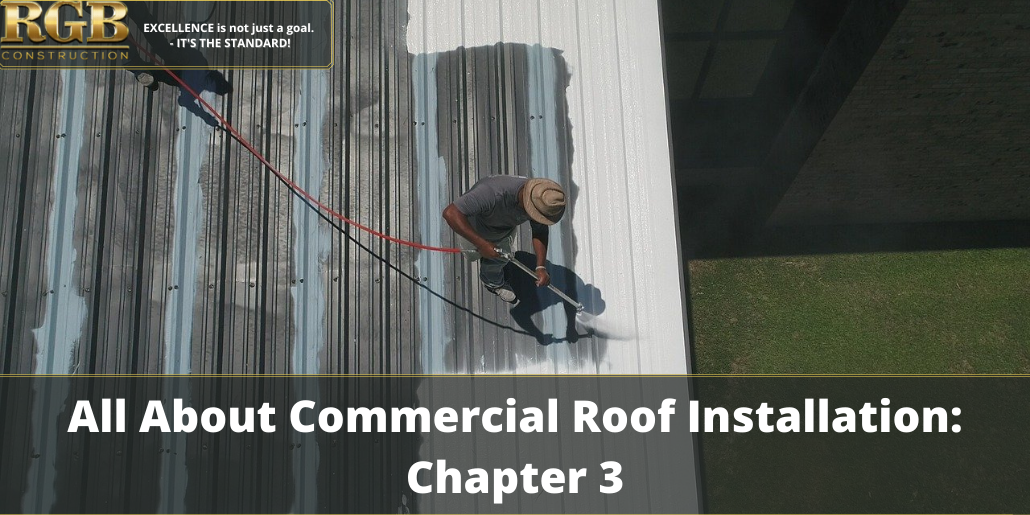
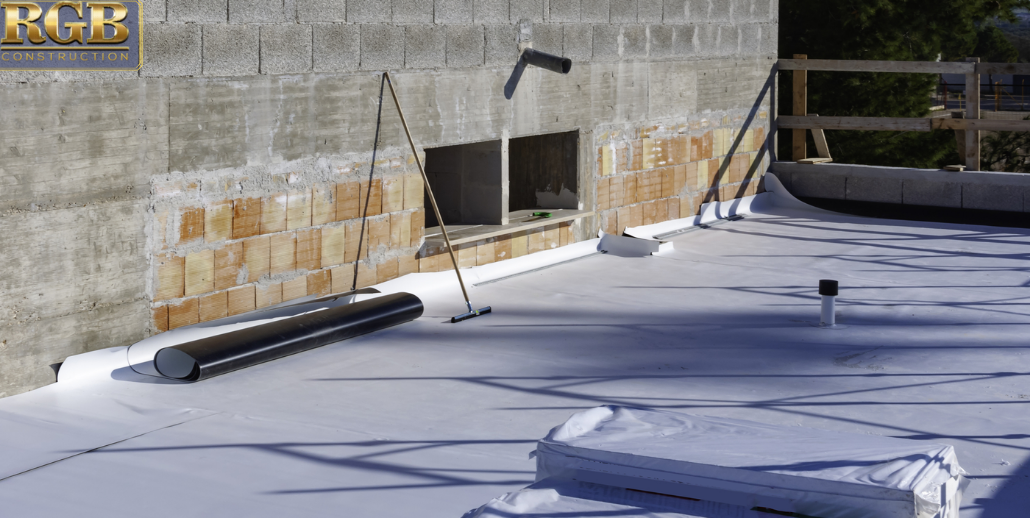
Both thermoplastic and thermoset materials are going to be applied to a roof the same way. This is due to TPO, PVC, EPDM, and similar materials coming in rolls, not sheets. All the contractor has to do is roll out the materials over the roof and adhere to it. Usually, this is done with tape or glue for EPDM. For TPO or PVC membranes, the seams must be welded down with heat.
Since the roofing materials are meant for single-ply application, you don’t have to worry about there being multiple layers of it.
Metal
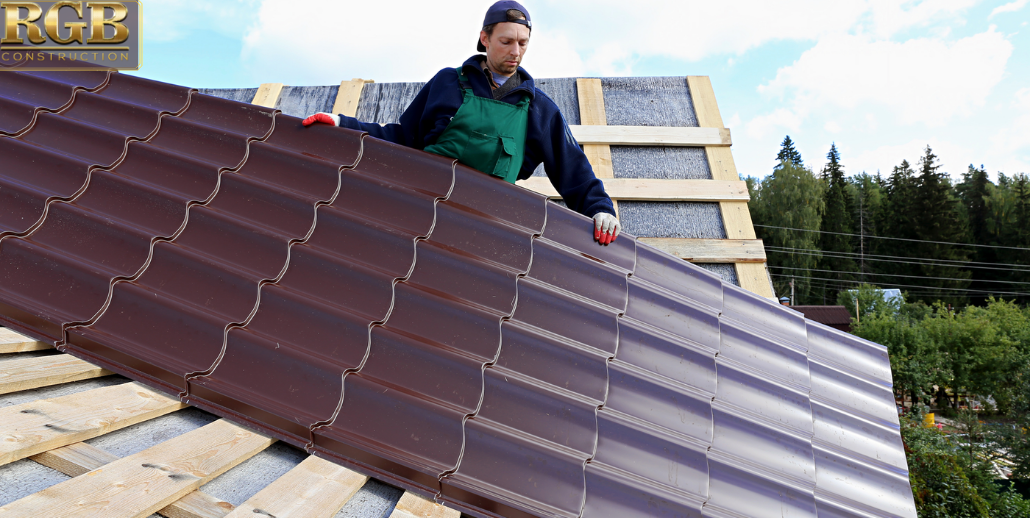
When you compare metal to other options, like low-cost TPO or even BUR, metal is one of the most expensive to install. Not only do the contractors have to be highly skilled, but the process is a bit more complicated than just unrolling the material. Furthermore, the longevity of metal roofing—around 40 years—will hike up the price a little.
There are two ways to install metal: horizontal or vertical. Strips of copper, zinc, steel, or aluminum are selected. The height of the roof, as well as the overall slope, may require the use of fasteners, too; that will increase the cost of labor.
Since metal alone is poor at insulating, expect a layer of insulation to be installed prior to the metal.
Considering Installation Time and Cost
One of the things that we try to drive home is that no two commercial roofing installations are going to be the same. It is often impossible to calculate an accurate price for the installation just by looking at the roof. You can anticipate the estimate for the price to be fairly close to the end price, but the individual costs that go into the overall price will have to be outlined in a contract. Make sure the contractor explains everything within the contract to you, especially about the pricing.
The use of higher cost materials or specialty goods, the complexity of the roof, and other factors will also extend the amount of time it takes to complete the job. Expect that to factor into the end
price, as well.
Commercial Roof Installation FAQs
What makes commercial roof installation different from residential?
Commercial roofing often involves flat or low-slope systems, which require different materials and installation methods compared to steep-slope residential roofs. Materials like BUR, Modified Bitumen, TPO, and EPDM are commonly used in commercial settings.
How long does a commercial roof installation take?
The timeline depends on roof size, slope, materials chosen, and overall complexity. While some projects take just a few days, larger or more intricate installations may extend over several weeks.
What are the most common commercial roofing materials?
The most common systems include Built-Up Roofing (BUR), Modified Bitumen (Mod Bit), Single-Ply Membranes (TPO, PVC, EPDM), and Metal. Each has unique advantages depending on budget, building type, and durability needs.
Is metal roofing worth the higher cost?
Yes, metal roofing lasts 40+ years with proper care and offers excellent durability. While the upfront cost is higher and installation requires specialized labor, the long-term investment can be cost-effective for many commercial buildings.
How much does commercial roof installation cost?
Costs vary widely depending on roof size, slope, materials, and labor. Expect detailed written contracts outlining expenses for labor, materials, and any specialty items. A reputable contractor will provide a clear estimate before work begins.
Will my business be disrupted during installation?
Most contractors plan projects to minimize disruption. Noise and access limitations are common, but scheduling and communication with your roofer help keep operations running as smoothly as possible.
Do commercial roofs come with warranties?
Yes. Warranties vary by material and contractor but often include both manufacturer warranties on materials and workmanship warranties from the installer. Always ask about coverage length and what is included.
Who should I hire for commercial roofing in South Jersey?
Always hire a licensed, insured, and experienced roofing contractor. RGB Construction is a trusted South Jersey commercial roofer with certifications, years of experience, and a proven track record of successful projects.
Planning on Replacing Your Commercial Roof
Hopefully, you know a bit more about commercial roofing installation now that you have finished the third chapter of The Ultimate Guide to Commercial Roofing. Most installations are less complicated than residential roofing, but it really depends on a number of factors, such as materials involved, roof size, and so on.
If you are looking to have your commercial roof replaced, be sure to get in touch with us. Our team is happy to consider your needs and help you make a better choice for your home.
Plan Your Commercial Roof Installation with Confidence
Whether you’re considering BUR, Mod Bit, Single-Ply, or Metal roofing, RGB Construction can guide you through every step of the installation process.
Our South Jersey team has the knowledge, equipment, and certifications to handle any commercial roofing project.
Check Out Our Other Chapters Of “The Ultimate Guide To Commercial Roofing” Below!
 Chapter 1: Careers in Commercial Roofing
Want to learn more about what goes into becoming a commercial roofer? This chapter goes into detail about what a role as a commercial roofing contractor entails.
 Chapter 2: Commercial Roof Types: What to Know About Different Systems
There is more to commercial roofing than black vs white roofing. Materials and systems are extremely varied, and not all of them are going to work for you.
 Chapter 4: Essential Roof Preventative Maintenance
Preventative maintenance is essential to prolonging the life of any roof. Learn some helpful steps.
 Chapter 5: Is It Time for Replacement or Can Your Commercial Roof be Repaired?
Do you know when it is time to say goodbye to your current roof? We are going to explain some of the tell-tale signs to watch out for. Also, you will learn about different methods of repair, restoration, and replacement available.